Which is Not a Reason Why Slavery Continued After the Revolution
Image
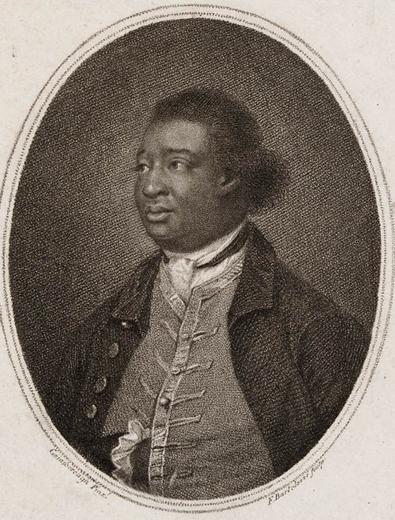
Key campaigner: Ignatius Sancho
Ignatius Sancho was born in 1729 on a slave ship bound for the Caribbean.
Orphaned at the age of two, he was taken to Britain where he was given to three sisters in Greenwich. A chance meeting with the Duke of Montagu (1690-1749) changed the young Sancho's life. Montagu was taken by the child's intelligence, and encouraged his education. After Montagu's death in 1749, Sancho persuaded his widow to take him away from his mistresses, and she hired him as a butler.
With the support of the Montagu family, Sancho established a grocery in Westminster (ironically selling slave-produced commodities). His wealth and property secured him the vote.
Sancho moved in, and corresponded with, a wide and influential social circle of nobles, actors, writers, artists and politicians. He was a supporter and patron of the arts, as well as being a composer in his own right. Sancho died in December 1780, and was the first African in Britain to receive an obituary.
Thomas Clarkson, William Wilberforce, and the end of the slave trade in Britain
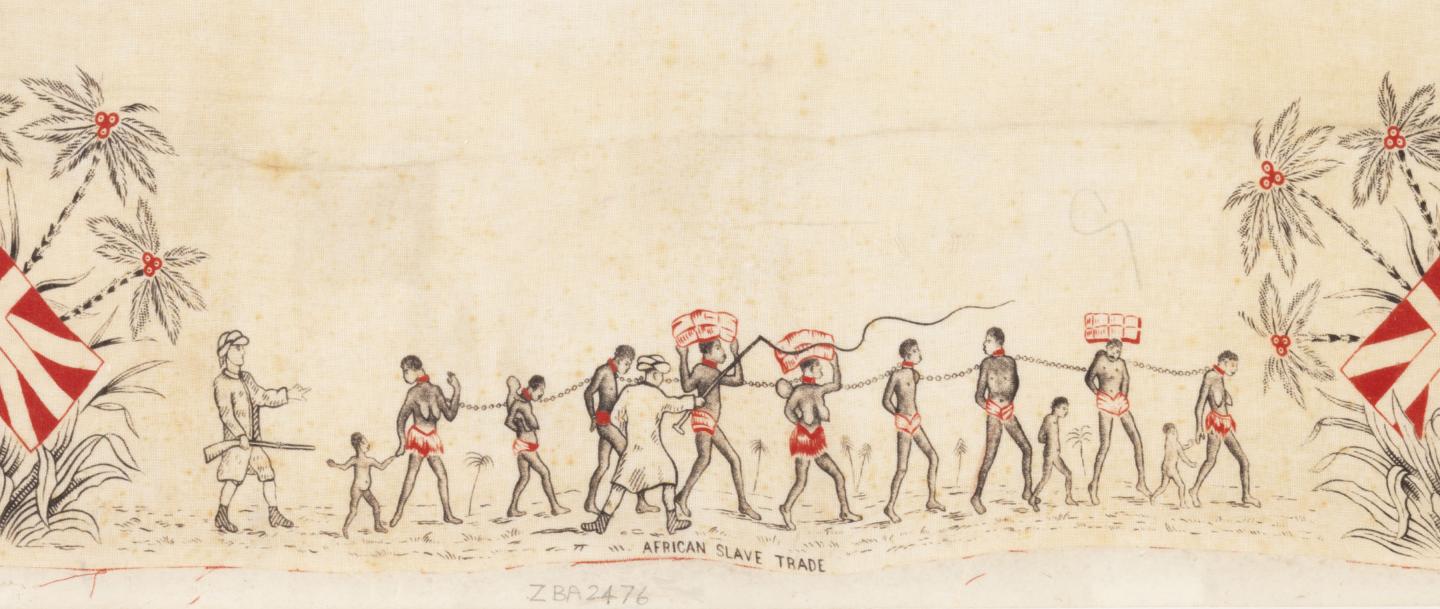
Clarkson and Wilberforce were two of the most prominent abolitionists, playing a vital role in the ultimate success of the campaign.
Clarkson was a tireless campaigner and lobbyist. He made an in-depth study of the horrors of the trade and published his findings. Clarkson toured Britain and Europe to spread the abolitionist word and inspire action. As a result, the abolition campaign grew into a popular mass movement.
William Wilberforce was the key figure supporting the cause within Parliament. In 1806-07, with the abolition campaign gaining further momentum, he had a breakthrough.
Legislation was finally passed in both the Commons and the Lords which brought an end to Britain's involvement in the trade. The bill received royal assent in March and the trade was made illegal from 1 May 1807. It was now against the law for any British ship or British subject to trade in enslaved people.
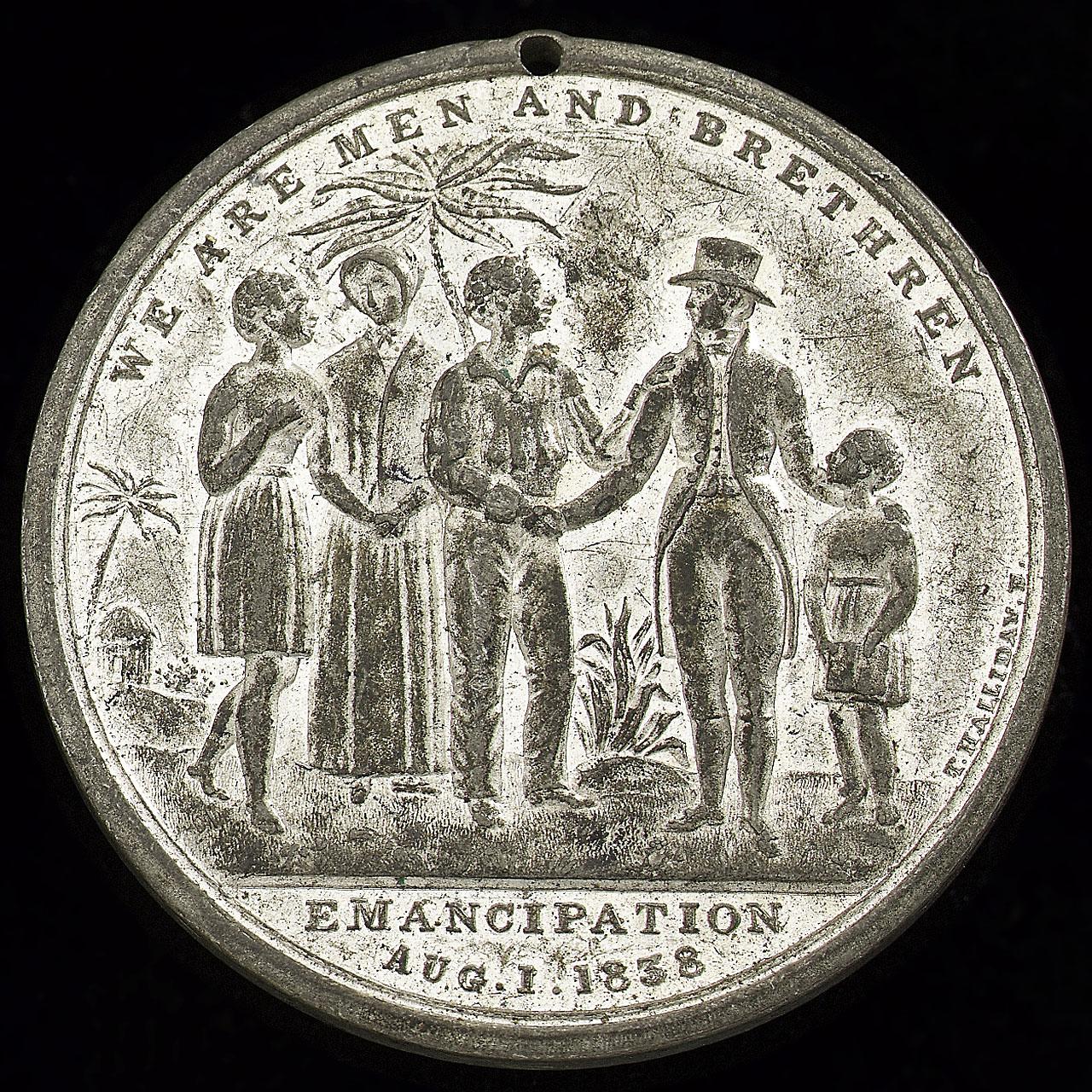
Although the abolitionists had won the end of Britain's involvement in the trade, plantation slavery still existed in British colonies. The abolition of slavery now became the main focus of the campaign though this was a long and difficult struggle. Full emancipation was not achieved until 1838 and none of the ex-slaves received compensation.
The Haitian revolution and the slave trade
The campaign to end slavery coincided with the uprisings of the French Revolution and the retaliation of enslaved communities in the British colonies.
Revolution in Saint Domingue
On 23 August 1791 a massive revolt by enslaved Africans erupted on the island of Saint Domingue, now known as Haiti and the Dominican Republic.
The uprising would play a crucial role in making Saint Domingue the first Caribbean island to declare its independence and only the second independent nation in the Western Hemisphere.
The island had become one of the wealthiest producing colonies and therefore attracted the interest of the French, the Spanish and the English, three of the world's strongest powers at the time. There were a number of factors that led to the rebellion, one of which was the French Revolution in 1789, which called for 'liberté, égalité, fraternité' (liberty, equality and fraternity).
Toussaint L'Ouverture
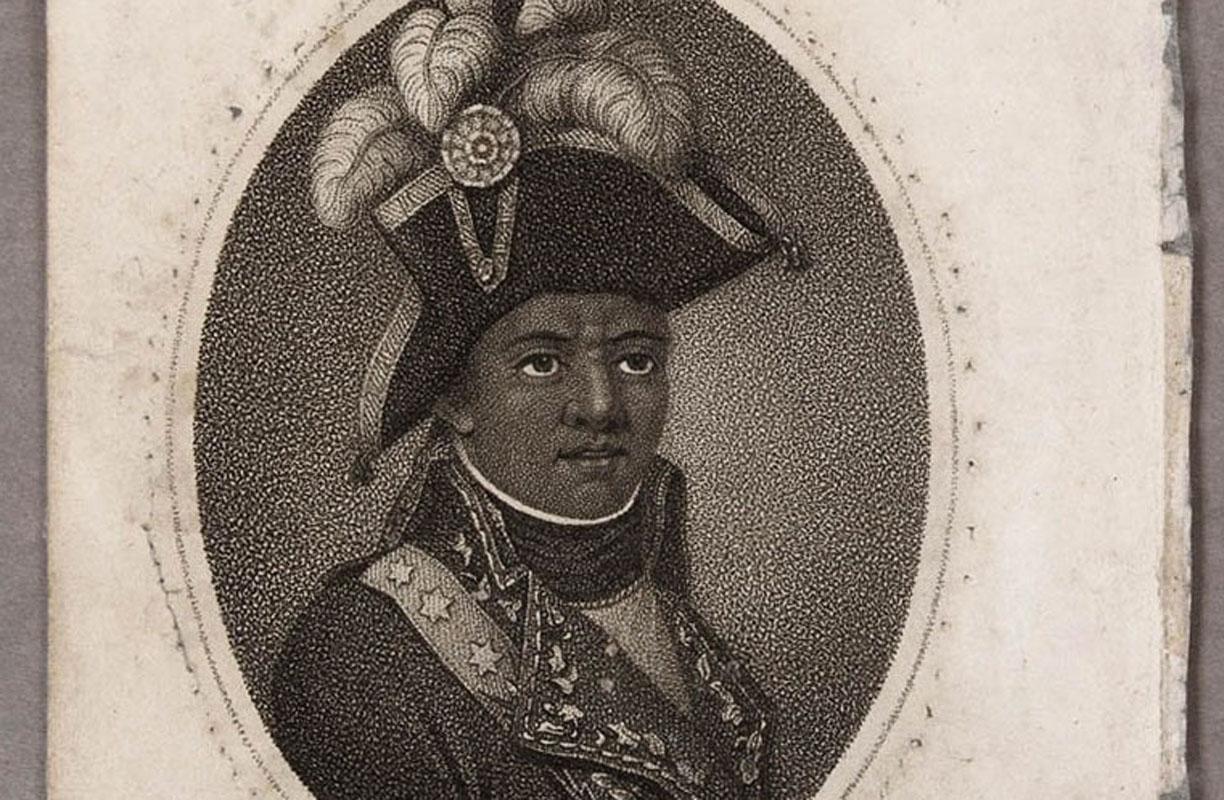
For 13 years, the country was in a state of civil war with the enslaved fighting for their freedom under the leadership of their fellow Africans.
One of the most successful commanders was Toussaint L'Ouverture, formerly enslaved domestically. Under the military leadership of Toussaint, the freedom fighters were able to gain the upper hand and defeat the French, Spanish and British forces that attempted to regain control.
Toussaint died in 1803 but the wheels of change were in motion. The rebel forces continued to fight for their freedom and on 1 January 1804 Haiti was declared an independent republic.
The Haitian Revolution, as it became known, was the only successful slave rebellion in world history. It became a pinnacle of resistance for enslaved Africans in the Caribbean and the Americas and was a turning point in the fight to abolish transatlantic slavery.
Three years later, on 25 March 1807, King George III signed into law the Act for the Abolition of the Slave Trade, banning trading in enslaved people in the British Empire.
Today, 23 August is known as the International Day for the Remembrance of the Slave Trade and its Abolition. This marks the proclamation of the first black state, Haiti – symbol of the struggle – and the triumph of the principles of liberty, equality, dignity and the rights of the individual.
Source: https://www.rmg.co.uk/stories/topics/how-did-slave-trade-end-britain

Post a Comment for "Which is Not a Reason Why Slavery Continued After the Revolution"